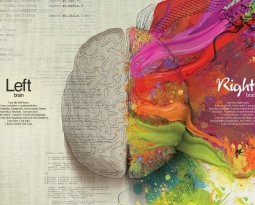
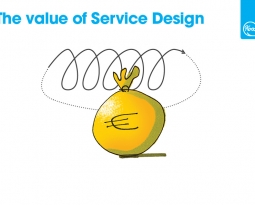
As ‘Strategic Design’ is a new discipline, it is also poorly understood by the market. So let’s clear up the fuzziness around it for good and for all. First of all we need to put the meaning of the word design into the right context.

- Design is not a feature.
- Design is not a shiny layer.
- Design is how it works.
- Design is all about adding value.
- Design is a verb, a process, a way to approach problems.
- Design transfers the intention, the potential and the emotional experience of an idea.
- Design is a way of thinking.
- And yes, part of design is aesthetics.
Now let’s talk about the strategic part.
A strategic designer starts in the very first phase of the design process, at a phase that is called the ‘Fuzzy Front End’. This is at the level where consumer insights are captured and the internal strengths of brands are made tangible, visible and put into practice. It’s where we match the needs of the consumer with the capabilities of the company, it’s where we create new business opportunities.

To achieve this, a strategic designer bridges the gap between marketing, research and development by not only capturing the essence of the emotional experience but also transferring it into actual product and service development.
So what makes a ‘Strategic designer’ different from a marketer or researcher?
The answer is easy – “design is a way of thinking”. It is a way of creative and pragmatic problem solving that you will never find in a marketer or a researcher. It is the beta factor of the pragmatic engineer combined with the creative ability of the industrial designer that allows abstract ideas to be turned into concrete, relevant, innovative, and above all, successful products and services.
That’s why Koos creates smarter products and builds stronger brands.